Posted on Leave a comment

New Vision Pro 2

The world of technology is ever-evolving, and Apple has once again stepped up the game with the much-anticipated New Vision Pro 2. With the success of its predecessor, it was clear that there was room for improvement, and Apple has taken heed of feedback from users. Our audience has spoken loud and clear, and they wanted a device that not only enhances the extended reality experience but also focuses on practicality and cost-effectiveness.

What’s New?

The New Vision Pro 2 promises to deliver a richer and more immersive experience. Not only is it lighter and more compact than its predecessor, but it has also been redesigned with user comfort in mind. Let’s explore the finer details:

Features and Enhancements

Feature Old Vision Pro New Vision Pro 2
Weight 600 grams 420 grams
Design Bulky Sleek & modern
Battery Life 4 hours 10 hours
Price $2499 $1999
Resolution 1920 x 1080 3840 x 2160

The New Vision Pro 2 not only offers an upgrade in resolution, providing users a life-like visual representation, but it also boasts a staggering long battery life. Apple has ingeniously engineered the device to last up to 10 hours on a single charge, making it perfect for extended use, whether you’re exploring virtual environments, engaging in augmented reality apps, or participating in remote meetings.

Affordability Meets Quality

One of the most exciting announcements is the price point; starting at $1999, the New Vision Pro 2 is a more approachable option for consumers. In a world where premium technology often comes with exorbitant price tags, Apple has listened to the needs of its customers and managed to create a product that does not compromise on quality while remaining financially accessible.

Extended Reality Experience

With the New Vision Pro 2, users can fully immerse themselves in the world of extended reality (XR). Whether you’re gaming, working, or enjoying virtual gatherings, the enhanced graphics and comfortable fit make for an unforgettable experience.

Here are some of the standout XR features:

  • Enhanced Reality Overlays: Navigate your physical world effortlessly with AR enhancements that bring your surroundings to life.
  • Immersive Gaming: Dive into your favorite games with improved capability, making you feel as if you’re inside the game.
  • Virtual Collaboration: Enjoy seamless interaction in virtual meetings with spatial audio and high-definition visuals.

Lighter, More Compact Design

The redesign means that the New Vision Pro 2 is more comfortable during longer usage periods. Users can expect a snug yet unobtrusive fit that allows them to experience extended reality for hours without discomfort.

Conclusion

The New Vision Pro 2 is undeniably a step forward in the realm of extended reality technology. With its impressive features, long-lasting battery life, and a friendlier price point, Apple has effectively answered the demand for a premium XR device that is both high-quality and accessible.

As we continue to navigate through an increasingly digital world, the New Vision Pro 2 stands as a testament to Apple’s commitment to innovation and user satisfaction. We can’t wait to see how this device transforms our experiences in the realms of work and play.

Prepare to elevate your reality – the future of immersive technology is here, and it’s looking brighter than ever!

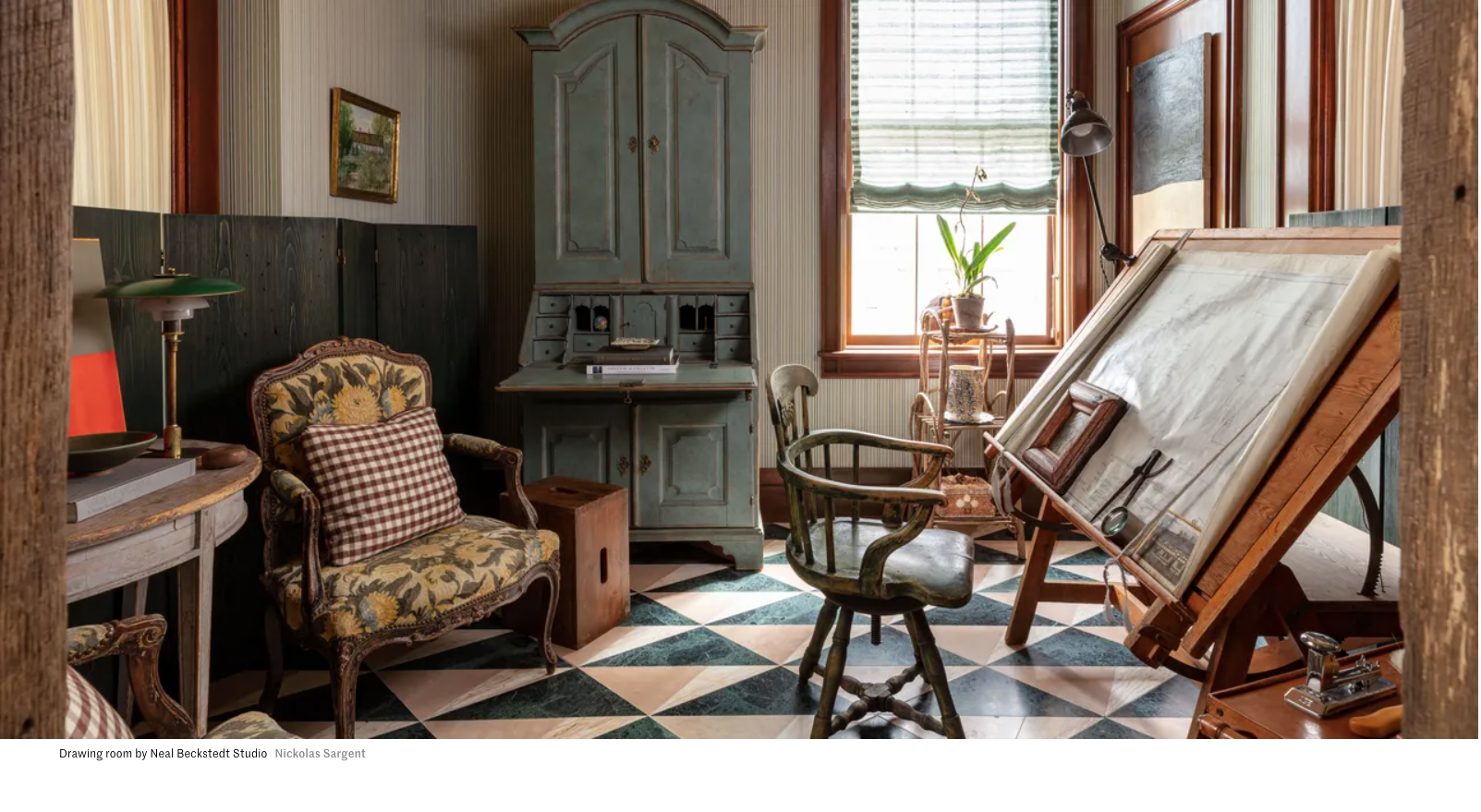
Posted on Leave a comment

Classical Art

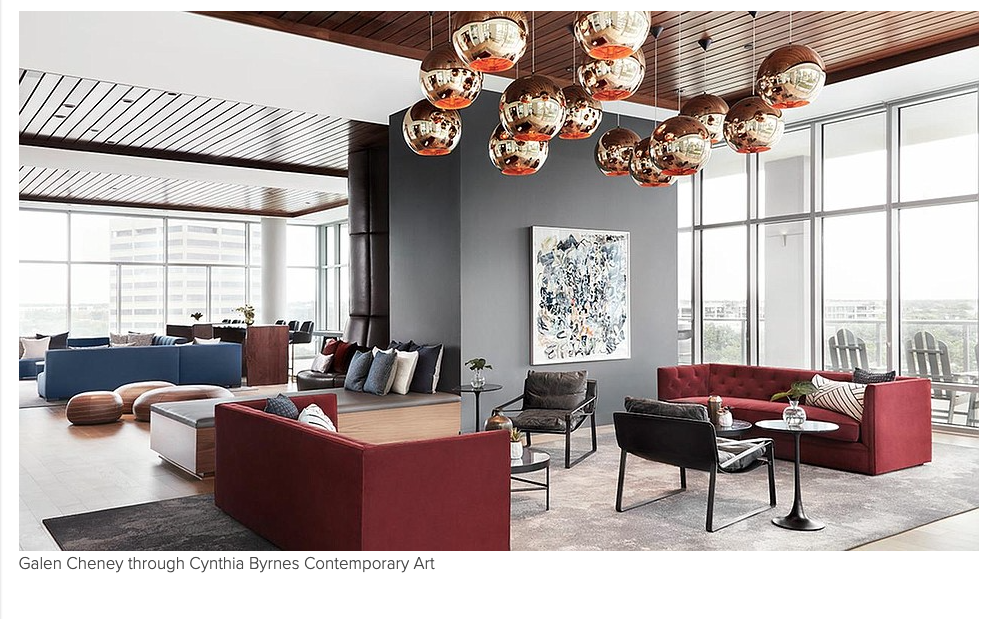
It’s not easy finding classical art nowadays. While many luxury items come and go, the allure and charm of classical art pieces to adorn residential spaces stand the test of time. It takes not just a good set of eyes but also great connections. Whether you’re a collector or just starting your journey in appreciating this magnificent art form, understanding classical art can enhance your life in profound ways.

What is Classical Art?

Classical art refers to art that has its roots in the traditions of ancient cultures, particularly those of ancient Greece and Rome. This genre encompasses various forms, including painting, sculpture, pottery, and architecture. It is characterized by its emphasis on harmony, balance, and proportion – all the elements make classical art aesthetically appealing to the human eye. Pieces of classical art are not merely objects; they carry historical relevance and narratives that provoke thought and dialogue.

Major Characteristics of Classical Art

CharacteristicDescription
ProportionClassical artists focused on idealized human forms, using measurements to convey beauty.
BalanceElements within the art are arranged to achieve visual equilibrium.
HarmonyDifferent elements work together seamlessly to create an appealing whole.
ThemesMythology, history, and religion often serve as primary subjects.
NaturalismAttention to detail and realistic portrayal of subjects.

Why Classical Art Matters

Classical art is not merely a trend; it embodies values, beliefs, and cultural heritages that still resonate today. Incorporating classical art into residential spaces can transform a mundane environment into an elegant and reflective space. Here are a few reasons why embracing classical art is worth your while:


  1. Timelessness: The themes and techniques found in classical art remain relevant despite changing trends. Investing in classical pieces can only appreciate over time, both aesthetically and in value.


  2. Cultural Appreciation: Owning or collecting classical art connects you to history, whether it’s a reminder of the philosophies of ancient Greece or the grandeur of the Roman Empire.


  3. Aesthetic Enrichment: Classical art can elevate your residential space. Whether it’s through a grand sculpture in your garden or intricate paintings in your living room, classical art adds depth and character to any environment.


Finding Classical Art

When it comes to sourcing classical art for residential properties, it’s essential to have the right connections. Here are some avenues to explore:


  • Art Galleries: Specialized galleries often carry classical pieces, both genuine and replicas. Local galleries might also host exhibits focusing on classical art.


  • Auctions: Major auction houses frequently host events showcasing fine arts. Attending these auctions can sometimes lead you to rare finds.


  • Antique Stores: Many antique stores specialize in paintings and sculptures from various historical periods, including classical art.


  • Online Platforms: Websites dedicated to art and antiques can broaden your search, allowing you to connect with vendors worldwide.


Collaborating with Experts

If you are serious about curating a classical art collection, working with professionals like Hugh O’Donnell can make a difference. Hugh, an art advisor, understands the market intricacies and can guide you in finding pieces that resonate with your vision while ensuring proper valuation and preservation.

Final Thoughts

Classical art enriches lives, preserving the beauty and ideals of ancient civilizations. It adds an enriching layer to everyday living while connecting us to our history. Whether you’re looking to trade modern interiors for something more timeless or simply want to appreciate art, classical pieces offer depth, narrative, and sophistication.

Finding classical art isn’t always easy, but the journey is undeniably rewarding. So, keep your eyes peeled and build those connections; the world of classical art awaits your discovery!
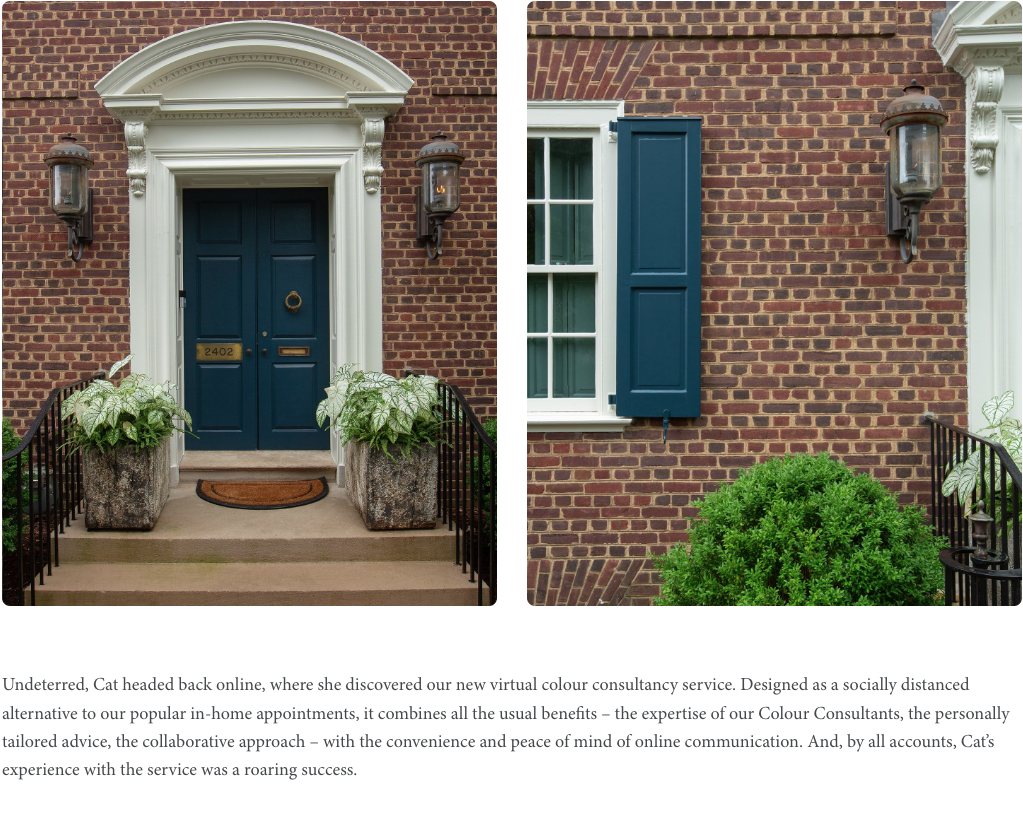
Posted on Leave a comment

Art is wonderful

Art is universal. Art is beautiful. No matter what language you speak, art transcends cultures and connects us in ways that words cannot. From the intricate brush strokes on a canvas to the vibrant colors of a street mural, art has the power to evoke emotions, communicate ideas, and inspire social change. In today’s blog, we dive into why art is wonderful and how it plays a vital role in our lives.

The Language of Art

Art is often referred to as a universal language. It speaks to the soul, bridging gaps between different nations, languages, and experiences. A painting can convey the joy of a vibrant festival or the sorrow of loss, allowing emotions to resonate more powerfully than mere words. Consider the following table that illustrates how various art forms communicate distinct emotions:

Art FormEmotions Conveyed
DanceJoy, Rage, Grace
TheatreAnger, Humor, Empathy
PaintingHappiness, Sadness, Love
SculptureStrength, Fear, Harmony
MusicMelancholy, Triumph, Hope

Art and Culture

Art reflects the cultural heritage of societies and civilizations. For many cultures, art is a means of storytelling, preserving historical narratives for generations to come. From ancient cave paintings to modern-day street art, these creative expressions offer invaluable insights into societal values, beliefs, and traditions.

Take a look at the following visual representations of how art connects with various cultures:

CultureArtistic ExpressionSignificance
AfricanMasks and SculpturesUsed in ceremonies and rituals for spiritual purposes
IndigenousDreamcatchers and Totem PolesSymbolizes connection to nature and ancestry
AsianCalligraphy and Ink PaintingRepresents discipline, beauty, and philosophy
EuropeanRenaissance Paintings and ArchitectureReflects humanism and aesthetic principles
Latin AmericanMurals and Folk ArtExpresses social issues and local narratives

Emotional Connection

Art has a profound impact on our mental well-being. Studies have shown that engaging with art—whether through creating, viewing, or appreciating—can reduce stress levels, improve mood, and even boost cognitive function. For those struggling with mental health issues, art can provide a therapeutic outlet, helping individuals express feelings that may be difficult to articulate.

Research from the American Journal of Public Health indicates that art can:

  • Decrease anxiety: Engaging in artistic activities leads to lower levels of stress hormones.
  • Enhance creativity: Exposure to art encourages imaginative thinking.
  • Boost self-esteem: Completing an artistic project can lead to a sense of accomplishment.

The Future of Art

As we look to the future, technology continues to shift the landscape of the art world. Digital art forms, virtual reality installations, and AI-generated artwork are pushing boundaries and challenging traditional notions of creativity. Yet, the essence of art remains unchanged; it is still about human expression and connection.

Emerging TrendsOverview
Virtual Reality ArtImmersive experiences that transport viewers
AI-Generated ArtCollaborations between human artists and algorithms
Street Art and ActivismArt as a vehicle for social change and awareness
Mixed MediaBlending various art forms for innovative creations

Conclusion

Art is indeed wonderful. Whether it brings us joy or makes us reflect, it plays an irreplaceable role in our lives. It connects us to our past, shapes our present, and influences our future. So, the next time you encounter a piece of art, take a moment to appreciate its beauty, its complexity, and its ability to resonate on a personal and collective level.

Embrace art in all its forms; it enriches our lives in magical ways! Let’s celebrate the wonder of creativity that unites us all.
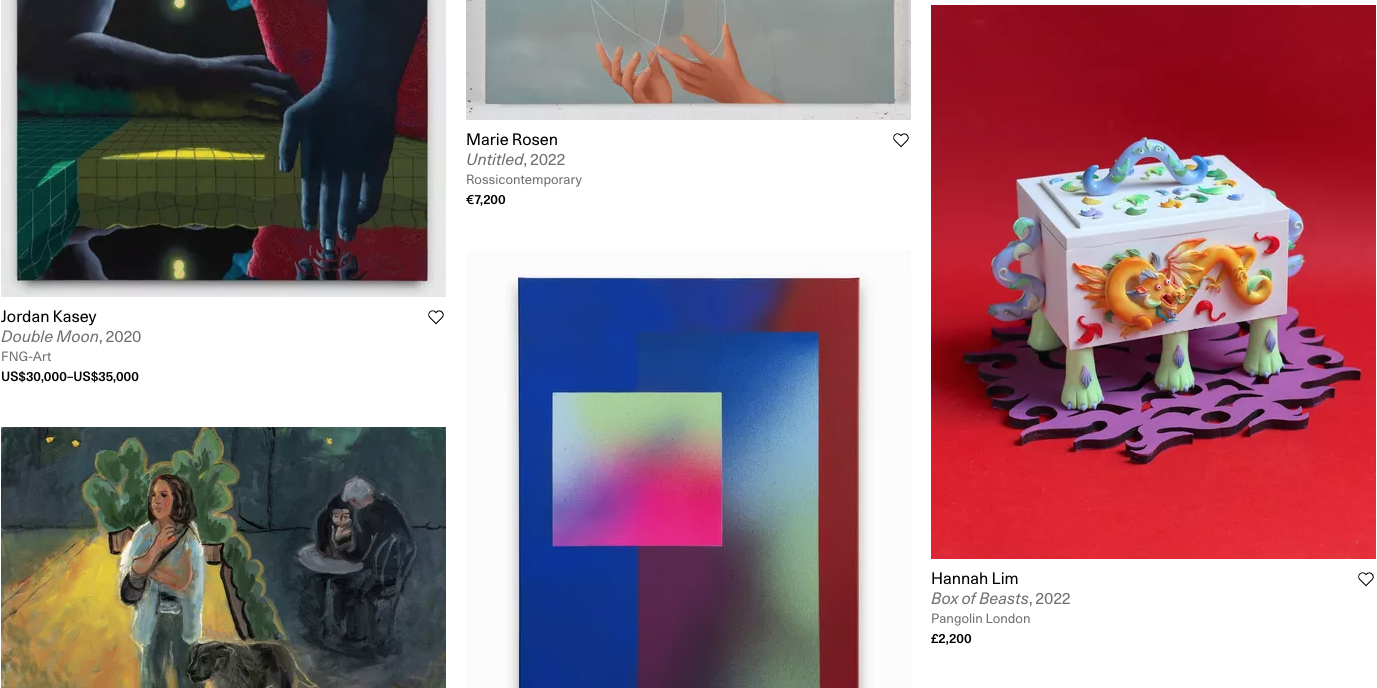
Posted on Leave a comment

Art helps the soul

Art is often viewed as a luxury or an accessory—it adorns walls, provides visual fascination, and graces gallery spaces. However, its significance runs deeper than aesthetic appeal; art possesses a profound ability to soothe the soul, foster connections, and serve as an outlet for relaxation and expression. Let’s dive deeper into how engaging with art can benefit our mental health and emotional well-being.

The Healing Power of Art

Art therapy has gained traction over the past few decades as a legitimate method for coping with stress, anxiety, and depression. It encourages individuals to express their emotions and thoughts through creative means. Research suggests that creating art can lead to catharsis, offering a release for pent‐up feelings and frustrations.

Benefits of Art for Mental Well-Being

The table below summarizes the multifaceted benefits of art, illustrating how it elevates mood, encourages mindfulness, reduces stress, sparks creativity, and builds social connections to enhance overall mental well-being.

BenefitDescription
Improved MoodInteracting with art can evoke positive emotions, lifting spirits and sparking joy.
Stress ReductionEngaging with art can lower cortisol levels, the hormone associated with stress.
Enhanced CreativityExposure to various art forms encourages innovative thinking and problem-solving skills.
Social ConnectionParticipating in art-related activities fosters connections with others who share similar interests.
MindfulnessThe process of creating or viewing art promotes being present and focused, enhancing mindfulness.

Finding Connection Through Art

Art has a unique way of bridging gaps between individuals. Visitors in an art gallery often share interpretations of a piece, leading to stimulating conversations that can strengthen bonds. In a world where loneliness is commonplace, connecting over shared artistic experiences can be both fulfilling and enlightening.

Art and Community

Community art projects, workshops, and exhibitions encourage collective creativity, fostering a sense of belonging. Local artists often collaborate with organizations to organize events that not only showcase their work but also engage the community. This interconnectedness can lead to stronger community networks, as art becomes the medium through which relationships are formed.

Example of Successful Community Art Initiatives:

Project NameDescriptionLocation
3. Open Studio EventsArtists open their studios to the public, fostering dialogue and appreciation.Various Cities
1. Mural FestivalsArtists collaborate to create murals that beautify community spaces.Nationwide (USA)
2. Art Therapy WorkshopsSessions for people dealing with emotional challenges.Local Community Centers

Unveiling Artists’ Motivations

Understanding an artist’s motivation behind their work can offer additional layers of engagement. Each piece of art tells a story; it reflects the artist’s experiences, thoughts, and feelings. Taking the time to learn about various artists can deepen our appreciation of their work while giving us insight into their creative processes.

The Emotional Journey of Artists

Many artists pour their life experiences into their art, allowing viewers to resonate with emotions they may not even have articulated before. This emotional journey can create a therapeutic experience for the viewer, encouraging them to reflect on their own feelings and perspectives.

Conclusion: Art as an Ally for the Soul

In our fast-paced lives, we often overlook the value of pausing to reflect, create, and connect with others through art. Whether it’s visiting a local art gallery, participating in community initiatives, or exploring one’s creative side through painting and drawing, art helps the soul to not only survive but thrive.

So the next time you feel overwhelmed or disconnected, consider reaching for a brush, visiting a gallery, or striking up a conversation about a piece that resonates with you. Embrace art—it’s a beautiful and restorative journey for both the individual and the collective soul.